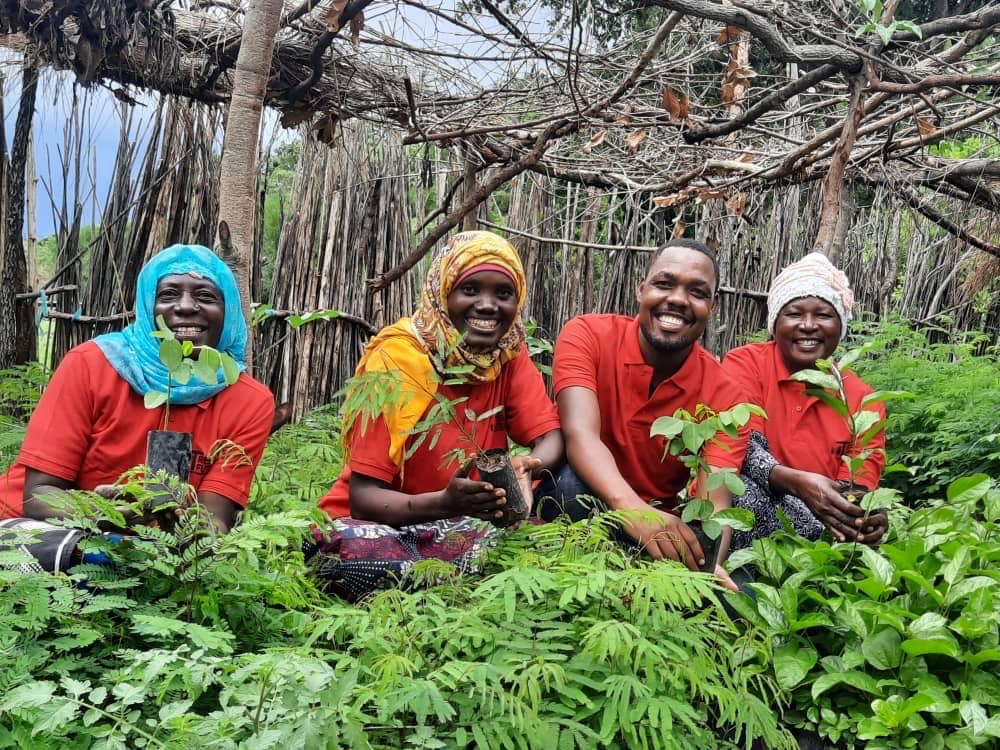
7 Questions For Trees For The Future
Celebrating Earth Day — 150,280 trees planted
by Lisa Nederveen
It is the 22nd of April and that can only mean one thing: it is Earth Day! Our annual reminder of how important it is to protect our beautiful planet. DAYMADE is committed to contributing to environmental protection by planting trees. For each purchase on our site, a tree is planted by our charity partner Trees for the Future. This Earth Month, we have reached a milestone of 150,280 trees planted - all thanks to our amazing players!
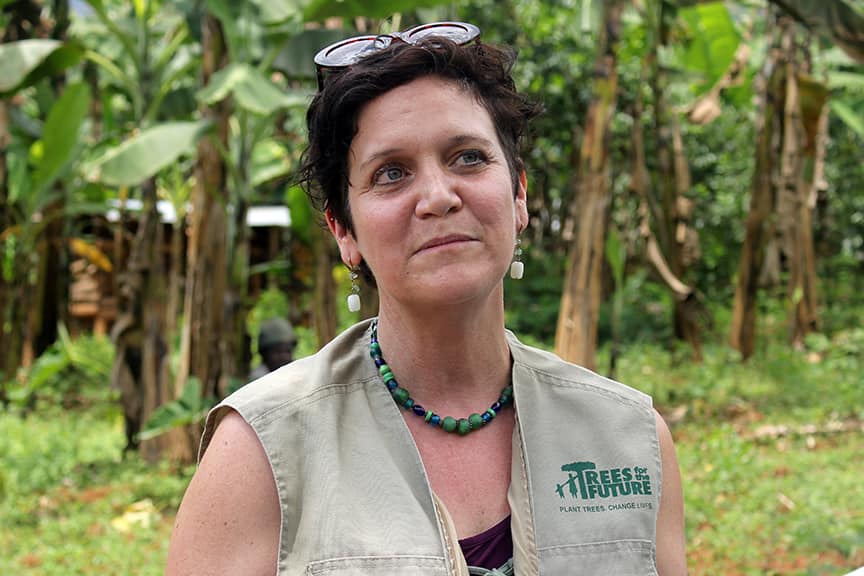
We sat down with Brandy Lellou, Director of Programs at Trees for the Future, to ask her about Trees for the Future. How do they work, where do they plant trees and how does this contribute to a healthier planet?
Why is planting trees so important?
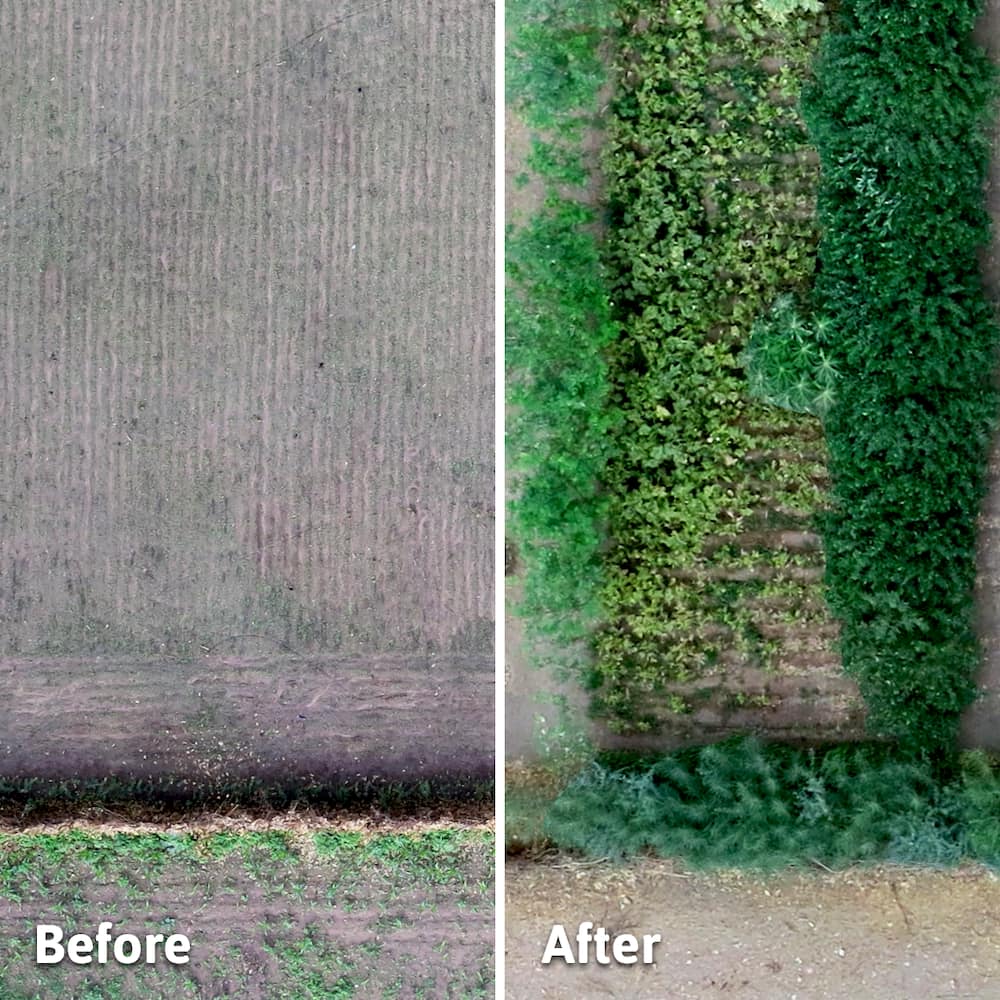
Trees are an effective, sustainable, low-cost solution to many of the world’s most pressing challenges. At Trees for the Future, farmers learn to incorporate trees on their farm land in what we call Forest Gardens. Forest Gardens are made up of thousands of trees and successfully restore degraded land, capture carbon, improve biodiversity, and provide food, income, and resources.
Where are the trees planted?
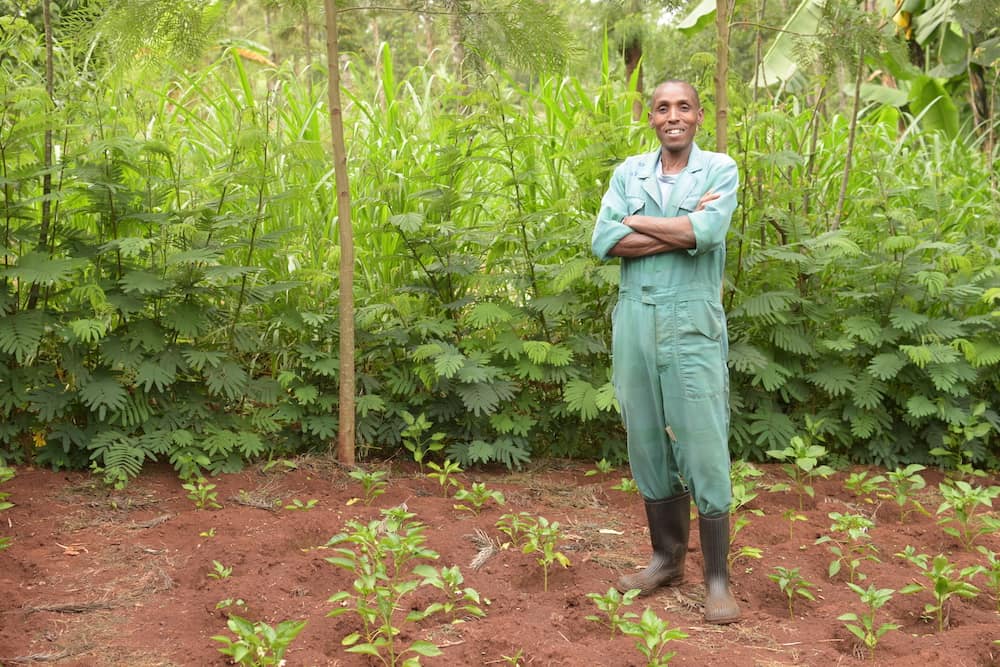
Each project is made up of about 250 - 600 farming families and the farmers work in smaller groups of about 20. Local Trees for the Future staff work closely with farmer groups over a four-year period, training them in the Forest Garden Approach and various agroforestry techniques. Each farmer’s Forest Garden is about an acre in size and typically includes more than 2,500 trees and dozens of different species of food crops and marketable products. You can find a full list of the trees, fruits, and vegetables in the Forest Gardens here.
How is climate change affecting Senegal?
Climate change is leading to more extreme and less predictable weather patterns. Periods of drought, higher than average temperatures, and erratic rainfall are all results of a changing climate. For a semi-arid country like Senegal, the effects of climate change are felt acutely by rural farmers who are reliant on predictable rainfall and weather patterns. Without this, they can lose entire crops and their ability to provide for themselves and their families.
How do you know how many trees are planted by Trees for the Future team?
Our reporting system is extensive. Trees for the Future technicians register farmers and all trees planted through our Taroworks App that links with SalesForce. We have nursery periods and outplanting periods. We count trees when they are first outplanted and then do an annual evaluation to track survival rates. Our program is also unique in that we are not practicing mass tree planting. Each farmer is invested in their land and the trees they are planting on it.
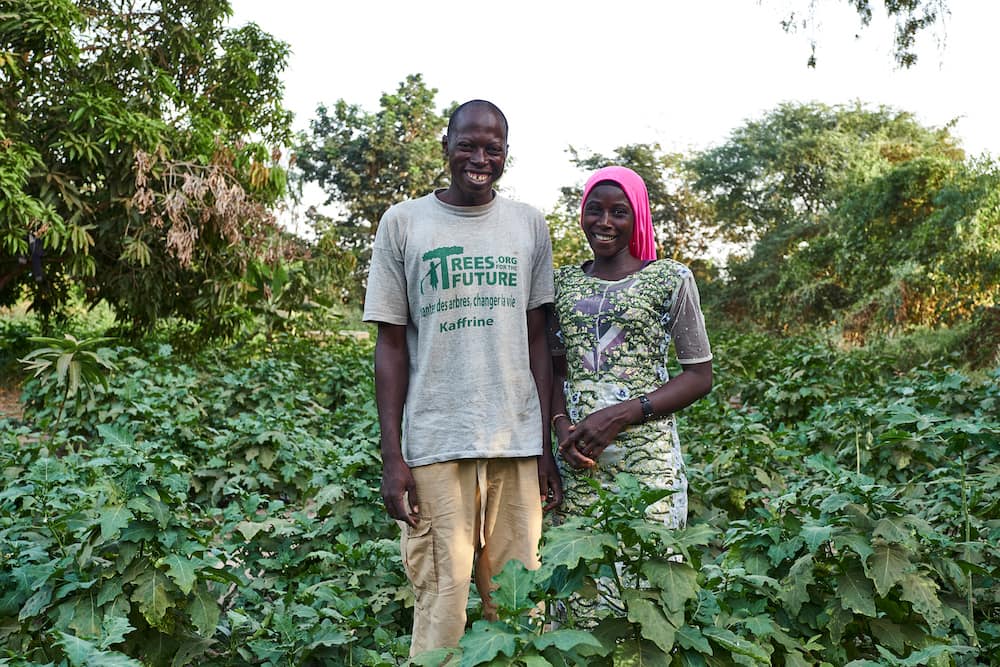
Can you give an example of one of the farmers who works with Trees for the Future, and how your projects have specifically changed his/her life and that of his/her family?
Farmers enroll in the Forest Garden program. They own their land and Trees for the Future is providing resources and training over a four-year period. You can read a farmer story about Mamadou Fall here, and one about Salma Mussa here.
What is different about Trees for the Future's reforestation projects compared to other tree planting charities?
Trees for the Future is taking a truly sustainable approach to tree planting by addressing the root cause of land degradation: land use. By working with farmers to improve farming practices through agroforestry and implement climate-smart solutions, we’re ensuring that trees survive to maturity, and benefit both the planet and the communities where they’re planted.
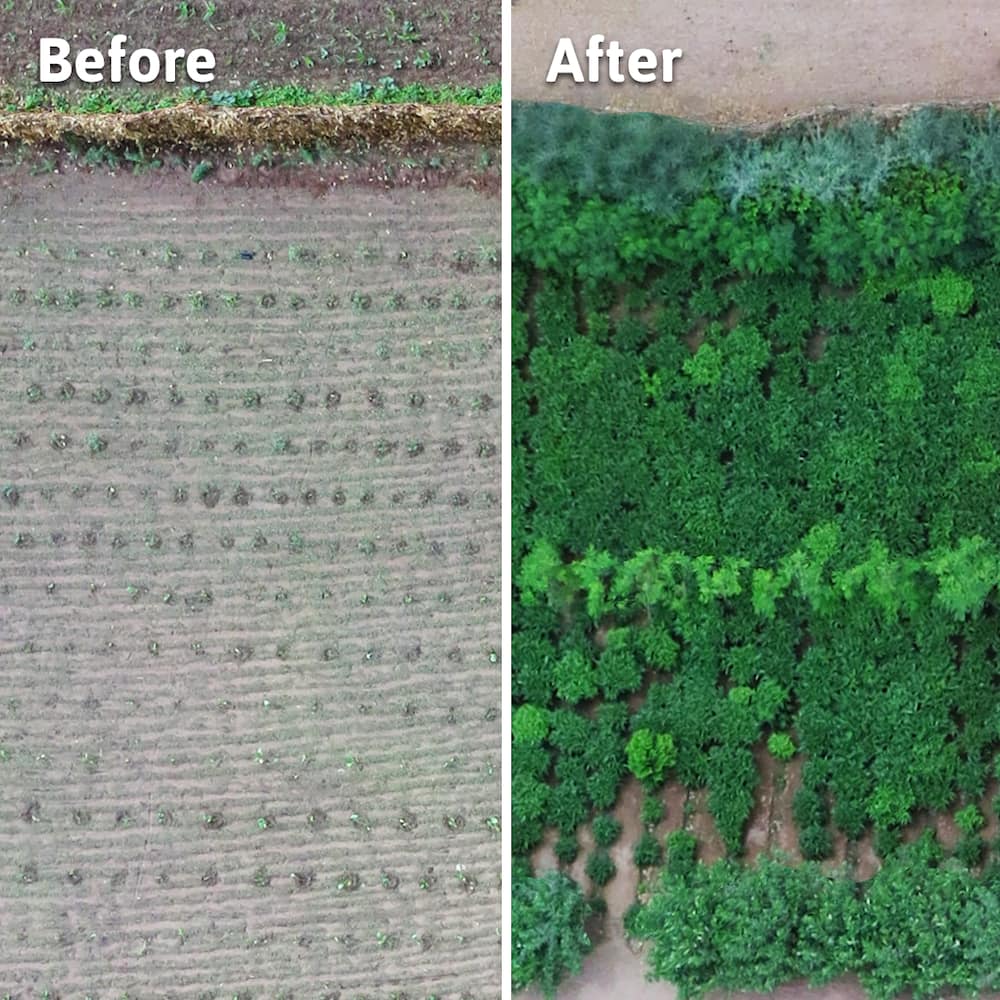
Your mission is to end hunger and poverty by training farmers to regenerate their land in an environmentally friendly way. Can you tell something about the previous agricultural processes of these farmers in those areas and how the method introduced by Trees for the Future differs?
Contemporary farming techniques center on monocrop agriculture, planting and harvesting just one crop. This approach to farming is unsustainable because it pulls all of the nutrients from the ground without replenishing them. It often requires more water and costly chemical fertilizers and pesticides. This approach to farming has degraded land across the globe and destroyed a third of our topsoil. The Forest Garden Approach emphasizes crop diversity and sustainable techniques that benefit both the land and the farmer. Forest Garden farmers are able to revitalize their land and, at the same time, they are able to produce more food and diverse marketable products to support their family.
Enter Draw + Plant Tree


Published on 22/04/21
Back